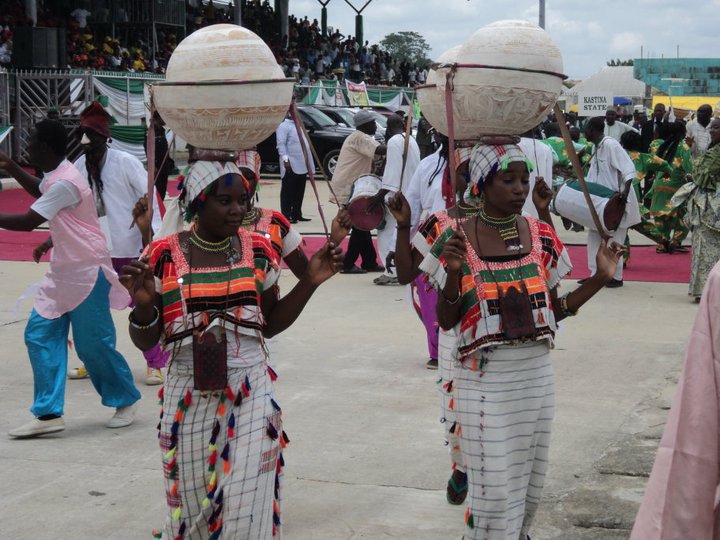
Women representing Adamawa State in traditional dress at a cultural gathering

Strategic Roadmap

Four implementation phases.

The phases are operationally linked and, in some cases, overlap. Phase I establishes the organization and core systems; Phase II develops stakeholder and leadership capacity; Phase III runs communications, grassroots engagement and voter education; and Phase IV concentrates on final voter-contact and election operations.

Photo: Bemmax · CC BY-SA 4.0 · Wikimedia Commons
Phase 01 · June–October 2026

Institutional Development and Organizational Structuring

Institutional Development; Voter/Supporter Database Development. A legally and administratively established TAGSO with a functioning State Secretariat, constituted leadership structures, statewide grassroots architecture, registration/database systems and initial campaign materials.

Phase 02 · October–November 2026

Strategic Stakeholder Engagement Programmes

Stakeholder Engagement; Political Intelligence; Capacity Building. Key stakeholders and TAGSO leadership structures are better informed, coordinated and prepared to communicate the organization's presidential and gubernatorial objectives and provide structured grassroots feedback.

Phase 03 · September–December 2026

Strategic Communications, Political Mobilization and Voter Education

Strategic Communications; Grassroots Mobilization; Voter Education. Consistent campaign visibility, direct grassroots engagement, civic and voter awareness, and coordinated communication of the organization's dual presidential and gubernatorial objectives.

Phase 04 · December 2026–February 2027

Electoral Mobilization and Election Operations

Electoral Mobilization. Final voter-contact, election-day reporting and monitoring systems are activated and the organization conducts a structured post-election review.